
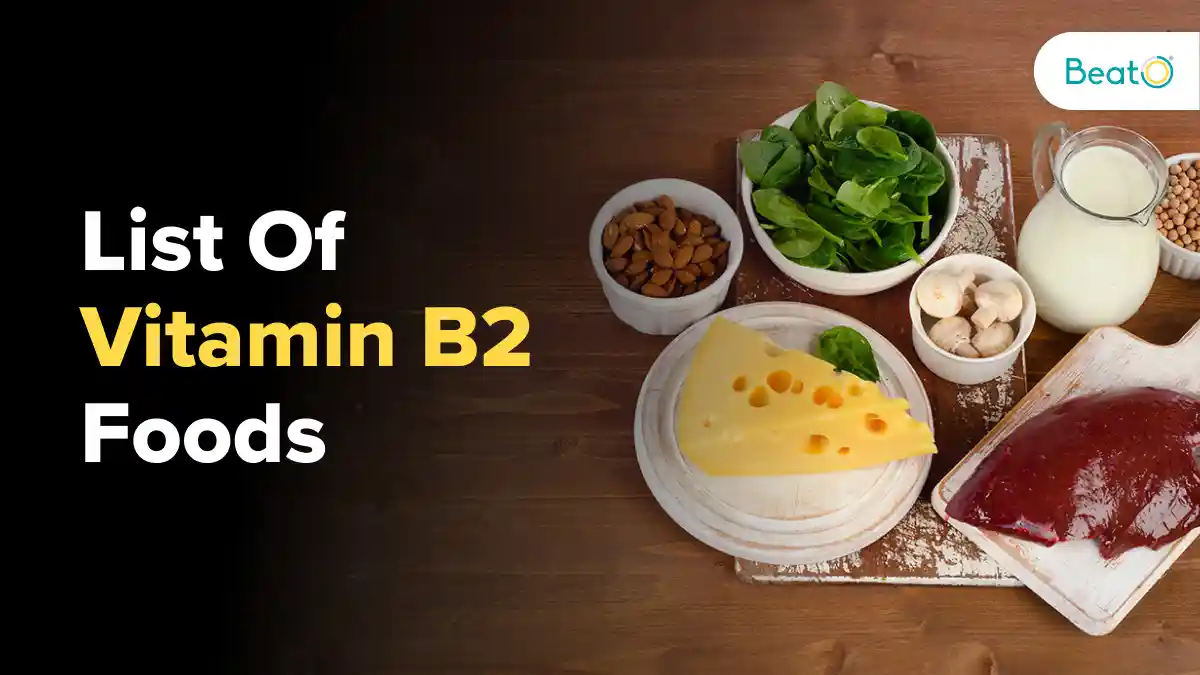
Vitamin B2 foods, or riboflavin, are essential in maintaining human health and overall well-being. Vitamin B2 is crucial in maintaining healthy skin, energy requirements, and immune system function. Moreover, riboflavin is naturally found in many food items, and here is the complete list of the top 15 vitamin B2 foods. Let’s explore this in the blog.

Also read: The Complete Guide to Vitamin B-Rich Foods: Top 20 Picks
What is Vitamin B2?
Vitamin B2, or riboflavin, is a water-soluble vitamin carried through the bloodstream. It is required for maintaining and performing bodily functions properly. In addition, the body uses this vitamin to convert food (carbohydrates) into fuel (glucose). Moreover, its deficiency may lead to severe conditions, including diabetes mellitus, hypertension, and hyperglycemia, and it can also increase the risk of heart-related complications. However, it can be regulated in the body by consuming vitamin B2-rich foods or by taking supplements. Plus, its deficiency may also lead to hair loss and skin-related disorders.
Vitamin B2 Deficiency: Signs and Symptoms
Here are some of the signs and symptoms of Vitamin B2 deficiency. Moreover, it can be caused by a poor diet or poor absorption of Vitamin B2 in the body.
- Mouth ulcers
- Dry skin
- Cracked lips
- Sore throat
- Inflammation of the tongue
- Iron-deficiency anemia
- Inflammation of the lining of the mouth
- Scrotal dermatitis
- Fluid in mucous membrane
- Red, watery and sensitive eyes
- Cataracts
List of 15 Vitamin B2 Foods You Must Know
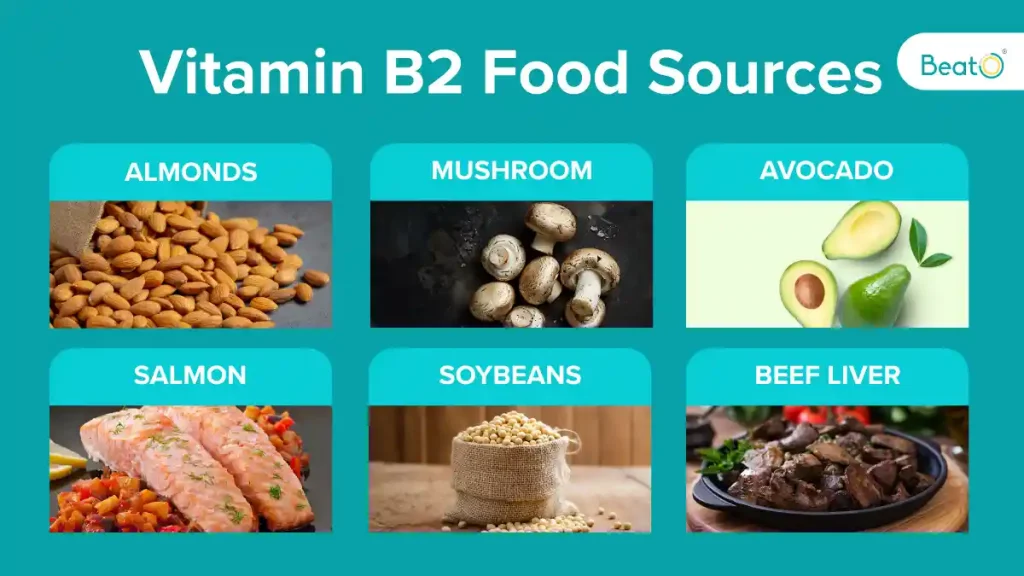
Here is a table summarising the list of top vitamin B2 food sources you must know, along with their serving size and vitamin B2 content value.
| S.No. | Vitamin B2 Foods | Serving Size | Vitamin B2 Content (mg) |
| 1. | Fortified Tofu | 100g | 0.4mg |
| 2. | Almonds | 100g | 1.1mg |
| 3. | Salmon | 100g | 0.5mg |
| 4. | Mushrooms | 100g | 0.5mg |
| 5. | Avocados | 100g | 0.1mg |
| 6. | Chicken | 100g | 0.2mg |
| 7. | Beef Liver | 3oz | 2.9mg |
| 8. | Soybeans | 100g | 0.87mg |
| 9. | Milk | 100g | 0.2mg |
| 10. | Yogurt | 100g | 0.233mg |
| 11. | Egg | 100g | 0.5mg |
| 12. | Broccoli | 100g | 0.117mg |
| 13. | Brussels sprouts | 100g | 0.06mg |
| 14. | Spinach | 100g | 0.2mg |
| 15. | Lean beef & pork | 100g | 0.9mg |
Also read: Discover the List Of Top 15 Vitamin B1 Foods For Your Well-being
Beef
Beef is considered a great source of vitamin B2 and is also present in adequate amounts in beef cuts. Remember that Vitamin B2 is water-soluble and may lose its properties while boiling or cooking in excess water. So, it is recommended to grill, broil, or pan-searing beef to preserve its riboflavin content.
Almond
Almonds contain several vitamins, such as vitamins E and B, and fibre. However, riboflavin is also used significantly to convert food into fuel. In addition, vitamin B2 foods are essential in the growth and development of cell functioning, maintaining the homocysteine and amino acid levels in the bloodstream.
Brussels Sprouts
Brussels sprouts are another cruciferous vegetable rich in minerals, vitamins, and antioxidants, including Vitamin B2 foods. Roast or saute them with olive oil and seasonings to make them a tasty and nutritious side dish.
Broccoli
Broccoli is a cruciferous vegetable that contains various nutrients, including vitamin B2, vitamin C, and other antioxidants. You can steam or stir-fry broccoli to preserve its nutritional value while giving your dishes a crunchy texture and vibrant colour.
Mushrooms
Mushrooms are low in calories and contain several nutrients, including vitamin B2. Add mushrooms to soups, stir-fries, or pasta dishes to enhance their flavour and nutritional content.
Spinach
Spinach is a dark, leafy green vegetable that is also known as a nutritional powerhouse in vegetables. It is packed with various vitamins and minerals, including vitamin B2. Moreover, including spinach in salads, smoothies, or cooked dishes can help you meet your daily riboflavin needs.
Eggs
Eggs are versatile, delicious, and a great source of nutrients, including vitamin B2. Moreover, incorporating eggs into your daily diet can help you meet your riboflavin requirements while providing essential amino acids and other vitamins and minerals.
Soya Products
Everyone knows that soya products are the best source of proteins, but did you know they are also one of the great sources of vitamin B2? Yes, soya products like tofu, tempeh, and edamame are protein-rich and contain significant amounts of vitamin B2. Incorporating soy-based foods into your diet can provide essential nutrients while offering plant-based alternatives to animal products.
Also read:Top 20 Vitamin B12 High-Rich Foods Sources: A Complete Guide
Why is Vitamin B2 Important?
You may wonder how vitamin B2 is essential in maintaining health. The answer is that vitamin B2 is vital to maintaining proper body functioning, including energy production, support for growth and development, and cellular production. Let’s discuss each point in detail here.
Healthy skin & vision: Riboflavin is a water-soluble vitamin that is necessary to keep mucous membranes, skin, and eyes healthy. Collagen, a protein that gives skin and other tissues their structure, is produced by it. Furthermore, riboflavin may help avoid problems like cataracts and is essential for the proper function of the cornea and the clear outer layer of the eye.
Energy Production: Foods high in vitamin B2 are essential for the metabolism of carbohydrates, lipids, and proteins because they include flavin mononucleotide (FMN) and flavin adenine dinucleotide (FAD), two coenzymes. By taking part in several oxidation-reduction reactions in the cell’s energy-producing organelles, the mitochondria, these coenzymes contribute to the production of energy.
Works as an Antioxidant: As an antioxidant, riboflavin aids in the body’s defense against dangerous free radicals. Unstable chemicals known as free radicals have the potential to harm cells and play a role in the development of certain chronic illnesses, including as cancer, heart disease, and aging. Riboflavin lowers the chance of oxidative damage and helps shield cells from oxidative stress by scavenging free radicals.
Recommended Daily Allowance Of Vitamin B2
The table summarises the recommended daily allowance of vitamin B2 foods according to Oregon State University.
| Population Group | RDA of Vitamin B2 (Riboflavin) |
|---|---|
| Men (aged 19 years and over) | 1.3 milligrams/day |
| Women (aged 19 years and over) | 1.1 milligrams/day |
| Pregnant Women | 1.4 milligrams/day |
| Breastfeeding Women | 1.6 milligrams/day |
Also read:Top 20 Vitamin C Rich Foods: A Comprehensive Guide
Closing Thoughts
To conclude, Vitamin B2 food sources are available in various forms, and its intake is essential for maintaining overall health and well-being. You can meet your daily requirements and support optimal health by incorporating a variety of foods rich in riboflavin, such as eggs, soybean, spinach, nuts, dairy and meat products. Include these top 15 vitamin B2 foods in your meals to promote vitality and longevity.
Disclaimer: The content of this article is compiled information from generic and public sources. It is in no way a substitute, suggestion, or advice for a qualified medical opinion. Always consult a specialist or your own doctor for more information. Beato App does not claim responsibility for this information.
Are you looking for the perfect glucometer to check your blood sugar level? Try out BeatO smartglucometerkit, affordable and easy to use.
Discover top-tier diabetes care with BeatO’s Chief Clinical Officer,Dr. Navneet Agarwal. His expertise in Diabetes ensures personalised guidance for overall health. Try out a smartglucometerand keep track of blood sugar levels now.