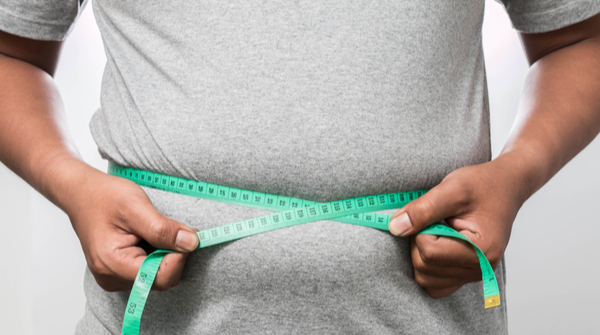
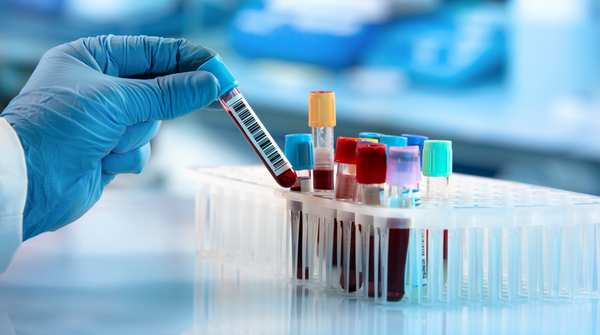
If you experience any of these symptoms : severe increased thirst, frequent urination, unexplained weight loss, increased hunger, tingling of your hands or feet -you should get a test for diabetes. There are some common tests that help diagnose diabetes. To confirm the diagnosis of type 2 diabetes, you will need a fasting plasma glucose test or a casual plasma glucose.

Diabetes and Fasting Plasma Glucose
The fasting plasma glucose test (FPG) is usually the preferred method for diagnosing diabetes, as it is easy, convenient, and less expensive when compared to other tests.
How to prepare for the blood glucose test?
Before taking the blood sugar test, you cannot eat anything for at least eight hours.
Results of the test and what they mean
Normal fasting blood glucose is usually between 70 and 100 milligrams per deciliter or mg/dL for people who do not have diabetes. The standard diagnosis of diabetes is made when two separate blood tests show that your fasting blood glucose level is more than or at least equal to 126 mg/dL.
However, if you have normal fasting blood sugar, but have risk factors for diabetes or symptoms of diabetes, your physician can conduct a glucose tolerance test to ensure you do not have diabetes.
Some people have a normal fasting blood sugar reading, but their blood sugar keeps rising rapidly post meals. This may be because these people have impaired glucose tolerance. If their blood sugar levels are high then they will be diagnosed with diabetes.

Tests that Help Diagnose Diabetes

The Casual Plasma Glucose Test
This test is another method of diagnosing diabetes. In this test, blood sugar is tested without regard to the time of the person’s last meal. You do not have to abstain from eating prior to the test. Glucose level greater than 200 mg/dL may indicate signs of diabetes, especially if the test is repeated at a later time and shows the same results.

Oral Glucose Tolerance Test
This test is usually only done during pregnancy to diagnose gestational diabetes or for someone who is suspected of having type 2 diabetes even though has a normal fasting glucose level. It can also be performed to diagnose prediabetes in people.

Haemoglobin A1c Test
The HbA1c test is an important diabetes blood test used to check how well your diabetes is being controlled. This test provides an average of your blood sugar control over a period of 6-12 weeks. The HbA1c level can also be used to diagnose diabetes if a value of equal to or more than 6.5% is found in the person.

Diabetes Testing in Children
Many children have no symptoms before they are diagnosed with diabetes. In most cases diabetes is discovered when a blood or urine test taken for other health problems which then reflects diabetes.
Talking to your doctor about your child’s risk for diabetes is advisable. If your child’s blood sugar test is higher than normal, but not yet at the level of diabetes you may be instructed to follow a specific diet and exercise plan Children with type 2 diabetes or diabetes are generally overweight.
Over the counter equipment cannot diagnose diabetes. Your health care professional can diagnose your diabetes type better and carve out the best treatment plan. Make sure to talk to your healthcare professional before moving ahead.