One of the topics that got serious attention during the pandemic is sustainability. With the use of masks, PPE kits, and other non-biodegradable items to protect oneself from the virus, eco-warriors across the world are facing a bigger threat to combat this plastic menace. One of the million-dollar questions everyone is asking is “What are the sustainable solutions for food?”

We’ll tell you how! Here are 7 ways you can commit to making the world more sustainable by making small changes to your diabetic diet.

Eat More Fruits and Vegetables
Consuming more fruits and vegetables as part of your sustainable diet not only will help your good health but also will cause significantly lesser environmental impact. Though, in certain cases, the resources put in to transport and keep them fresh can overcome the goodness they bring to the environment. In such cases, it is recommended to eat them on a rare basis to keep your diet sustainable. Some of the examples include:
- Vegetables and fruits that need refrigeration or are too easy to perish (berries, salads).
- Food items that are grown in protected conditions.
- Fruits and vegetables that require too many resources.

Prefer Local and Seasonal Products
Locally-grown foods and seasonal products are more sustainable in choice. If the products are consumed at the source, then the cost of production and storage of the items for seasons beyond the natural growing season will be lesser.

Avoid Eating More Than Needed, Opt For Portion Sizes
This can also be considered a health tip. Consuming only whatever is needed helps in reducing demand on the food supply, thus reducing excess production or supply. This also helps in keeping one healthy by avoiding excess food and keeping the weight in check. Opt for portion sizes and pay attention to the quantity you intake.

Swap Animal Protein For Plant-based Ones
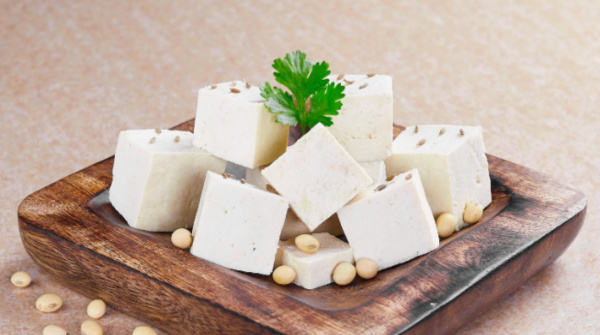
Animal-based proteins need more resources to procure, hence in order to build a sustainable diet, it is important to go for plant-based proteins. Plants that are rich in protein include pulses, beans, and some grains). Moreover, opting for plant-based proteins helps in providing more fiber and has a lesser saturated fat content.
In case you are someone who can’t avoid animal proteins, you can limit your consumption and opt for more sustainable meats such as chicken.

Choose Whole Grains
Processed and refined cereals are more resource-intensive and hence must be less consumed for a more sustainable diet. Non-refined cereals help in various health complications including diabetes, cardiovascular diseases, and others. Choose whole-grain bread, wheat, quinoa, and brown rice. Please note that the production of brown rice requires a lot of water, hence must be enjoyed in moderation.

Eat Dairy Products in Moderation
Shivangi Gupta, Diabetes Educator at BeatO shares, “Toned/double toned milk can be added to the diet of people with diabetes. Also, milk products like toned curd, and double-toned paneer has lesser calories in comparison to milk. Non-diary products like soy milk/almond milk/coconut milk can be used as they’ve fewer calories.”
While we all are aware of the benefits of dairy products, these products have a severe environmental impact. Therefore, instead of stopping consumption in total, one can limit the consumption of items that are low-fat and unsweetened.

Avoid Unnecessary Packaging
Food items that are packaged with non-recyclable materials cause a huge impact on the environment. Hence, it is important to reduce the amount of packaged products. Alternatively, one can buy food in bulk or opt for environmental-friendly packaging.
It is our responsibility to ensure the actions taken by us cause minimal impact on the environment. This need not be necessary through big steps but through small actions.
Follow all the recommendations given by your health coach and do not forget to monitor your sugar levels on a regular basis.
Choose the best health plans with BeatO!
Author – Sakshi Poptani